Is Your Pet Slowing Down? Signs They May Benefit from Rehabilitation
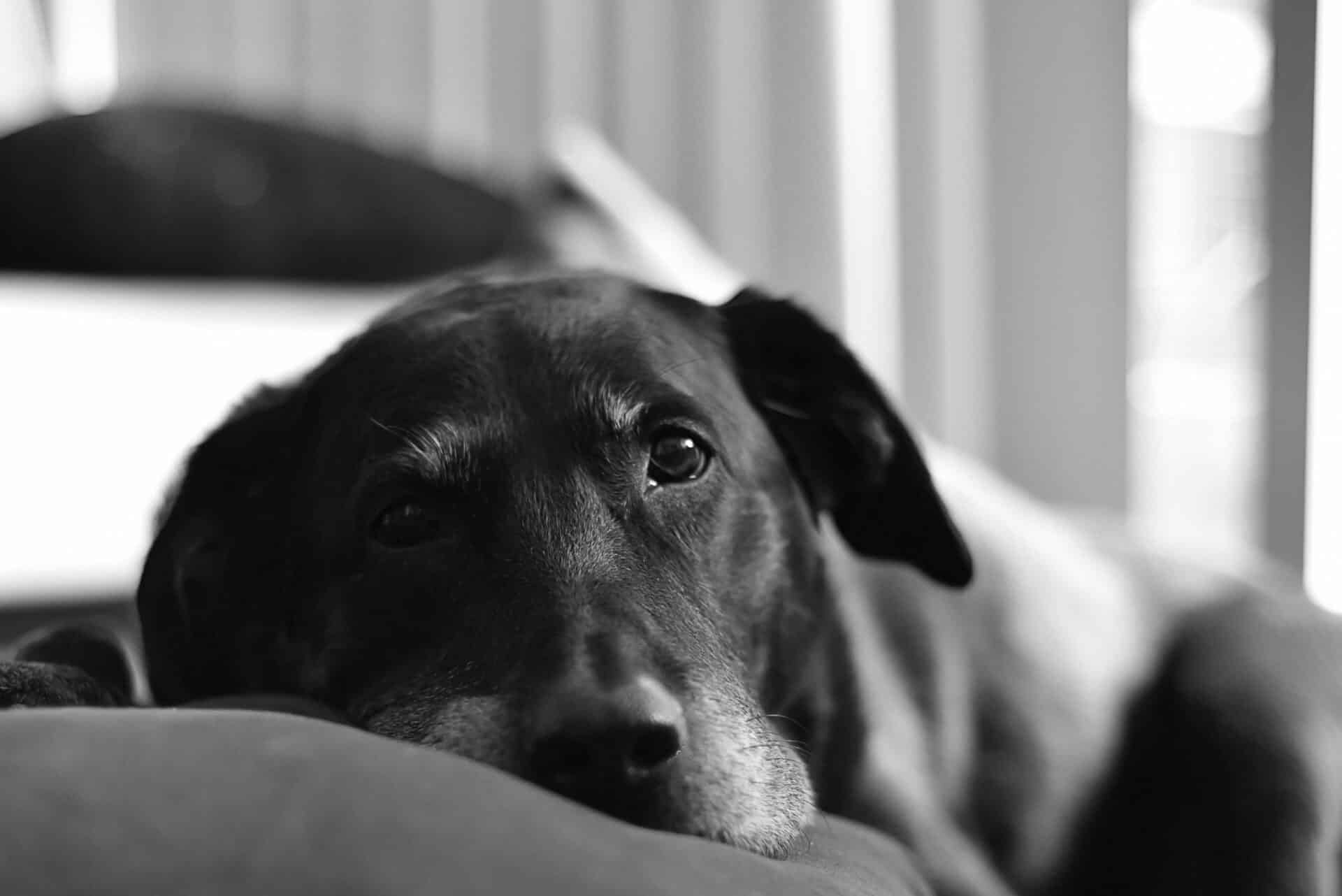
Your dog used to jump into the car without hesitation. Your cat once leaped onto the top of the couch in a single motion. Now you may notice pauses, slower movement, or a little stiffness after resting. Many pet owners assume these changes are simply part of getting older, but that is not always the case.
Slowing down can be a sign that your pet is dealing with discomfort, reduced strength, or mobility challenges. The encouraging news is that veterinary rehabilitation can help many pets regain comfort, movement, and confidence in their daily activities.
At Balanced Paws Veterinary Rehabilitation and Acupuncture in Duluth, MN, our veterinarian focuses on helping pets move comfortably again through therapies such as acupuncture, therapeutic exercise, laser therapy, ultrasound, and specialized care for senior pets.
Understanding the early signs can help you take action before mobility problems become more serious.
Sign #1: Slowing Down on Walks or During Play
One of the first changes many pet owners notice is a decrease in activity. A dog that once loved long walks may begin stopping frequently or lagging behind. Pets who once eagerly played with toys may lose interest.
This shift can occur for several reasons, including joint discomfort, arthritis, or muscle weakness. Pets often adjust their behavior gradually, which makes these changes easy to miss at first.
If your pet seems less enthusiastic about activities they once enjoyed, it may be time to explore options such as pet rehabilitation in Duluth, MN.
Sign #2: Difficulty Standing or Lying Down
Another early sign of mobility problems is difficulty changing positions. You may notice your pet taking longer to stand up after resting or appearing stiff when they first begin to move.
Some pets may brace themselves before rising, shift their weight carefully, or take a moment before settling down.
These movements often indicate joint inflammation or reduced muscle strength. Rehabilitation therapies can help improve flexibility and rebuild muscle support around painful joints.
Sign #3: Hesitation to Jump or Climb
Jumping and climbing require strength, balance, and healthy joints. When pets begin experiencing discomfort, they often avoid these activities.
You might notice your pet:
- Refusing to jump onto furniture
- Avoiding stairs
- Hesitating before jumping into the car
These changes can sometimes be mistaken for behavioral issues, but they often signal physical discomfort. With the right rehabilitation plan, many pets regain the strength and confidence needed to move comfortably again.
Sign #4: Stiffness After Rest
Stiffness is another common sign of mobility issues. Some pets appear slow or awkward when they first get up after sleeping or resting.
You may see:
- Short or careful steps when they begin walking
- Stretching repeatedly before moving
- A brief limp that improves after a few minutes of activity
These symptoms frequently occur in pets with arthritis or inflammation in their joints. Early care can help reduce discomfort and support healthier movement.
Sign #5: Limping or Favoring a Leg
Limping may come and go, especially in the early stages of injury or joint disease. Some pets only limp after exercise or long periods of activity.
Even mild limping should not be ignored. It can indicate soft tissue injuries, joint instability, or orthopedic conditions that benefit from rehabilitation therapy.
A thorough evaluation by our veterinarian helps identify the underlying cause and determine the most helpful treatment plan.
Sign #6: Muscle Loss or Weakness in the Back Legs
Muscle loss can develop when pets reduce activity because of pain or instability. The back legs are often affected first.
Pet owners may notice:
- Thinner hind legs
- Difficulty climbing stairs
- Reduced stability while walking
- Trouble jumping or rising
Therapeutic exercise programs can play an important role in rebuilding muscle strength and improving balance.
How Rehabilitation Can Help
Veterinary rehabilitation focuses on improving mobility, reducing pain, and supporting long term comfort. At Balanced Paws Veterinary Rehabilitation and Acupuncture, our veterinarian creates personalized treatment plans based on your pet’s needs and health history.
Some therapies that may be included are:
- Acupuncture: Acupuncture can help relieve pain, improve circulation, and support the body’s natural healing process. Many pets relax during treatment and respond well to this gentle therapy.
- Therapeutic Exercise: Targeted exercises help rebuild strength and coordination. Equipment such as treadmills, balance boards, physio balls, ramps, and stairs allow pets to safely improve mobility.
- Laser Therapy: Laser therapy helps reduce inflammation, relieve pain, and support tissue healing. This non-invasive treatment is commonly used for arthritis, injuries, and post-surgical recovery.
- Therapeutic Ultrasound: Ultrasound therapy delivers deep heat to targeted tissues, which can promote healing and ease discomfort.
- Senior Pet Care: Older pets often benefit from mobility programs that focus on maintaining strength, flexibility, and comfort throughout their golden years.
Helping Your Pet Stay Active and Comfortable
Seeing your pet slow down can be difficult, especially when they once seemed full of endless energy. While aging can bring natural changes, pain and mobility issues do not have to limit your pet’s quality of life. With the right rehabilitation plan, many pets regain strength, improve mobility, and return to activities they enjoy.
If you have noticed changes in your pet’s movement, activity level, or comfort, our veterinarian at Balanced Paws Veterinary Rehabilitation and Acupuncture in Duluth, MN is here to help. We work closely with your primary veterinarian to support your pet’s health and mobility. To learn more or schedule a consultation, contact Balanced Paws Veterinary Rehabilitation and Acupuncture at (218) 481-7373. Helping pets move comfortably again is one of the most meaningful ways to support their health and happiness.
Image credit: Envato
Search Blog
Recent Posts
Is Your Pet Slowing Down? Signs They May Benefit from Rehabilitation

Beyond NSAIDs: Alternative Pain Relief Options for Pets