Summer Adventures Shouldn’t Hurt: When Dog Rehabilitation Can Help Your Pet Stay Active
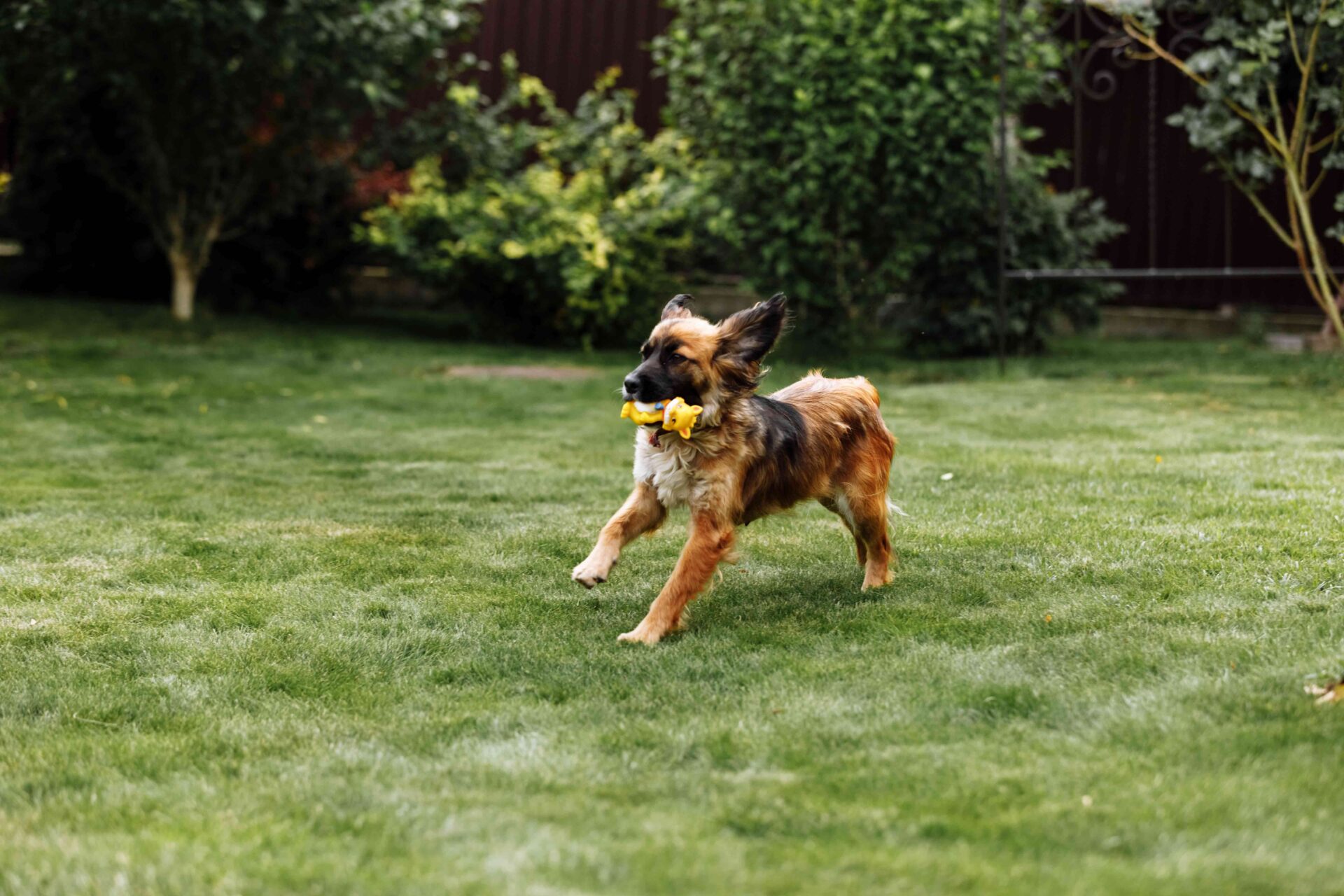
Summer is the perfect time to make memories with your dog. Whether you’re exploring hiking trails near Duluth, enjoying time by the lake, taking long neighborhood walks, or playing fetch in the backyard, these moments are part of what makes the season so special. But what happens when your dog starts slowing down or seems less interested in activities they once loved?
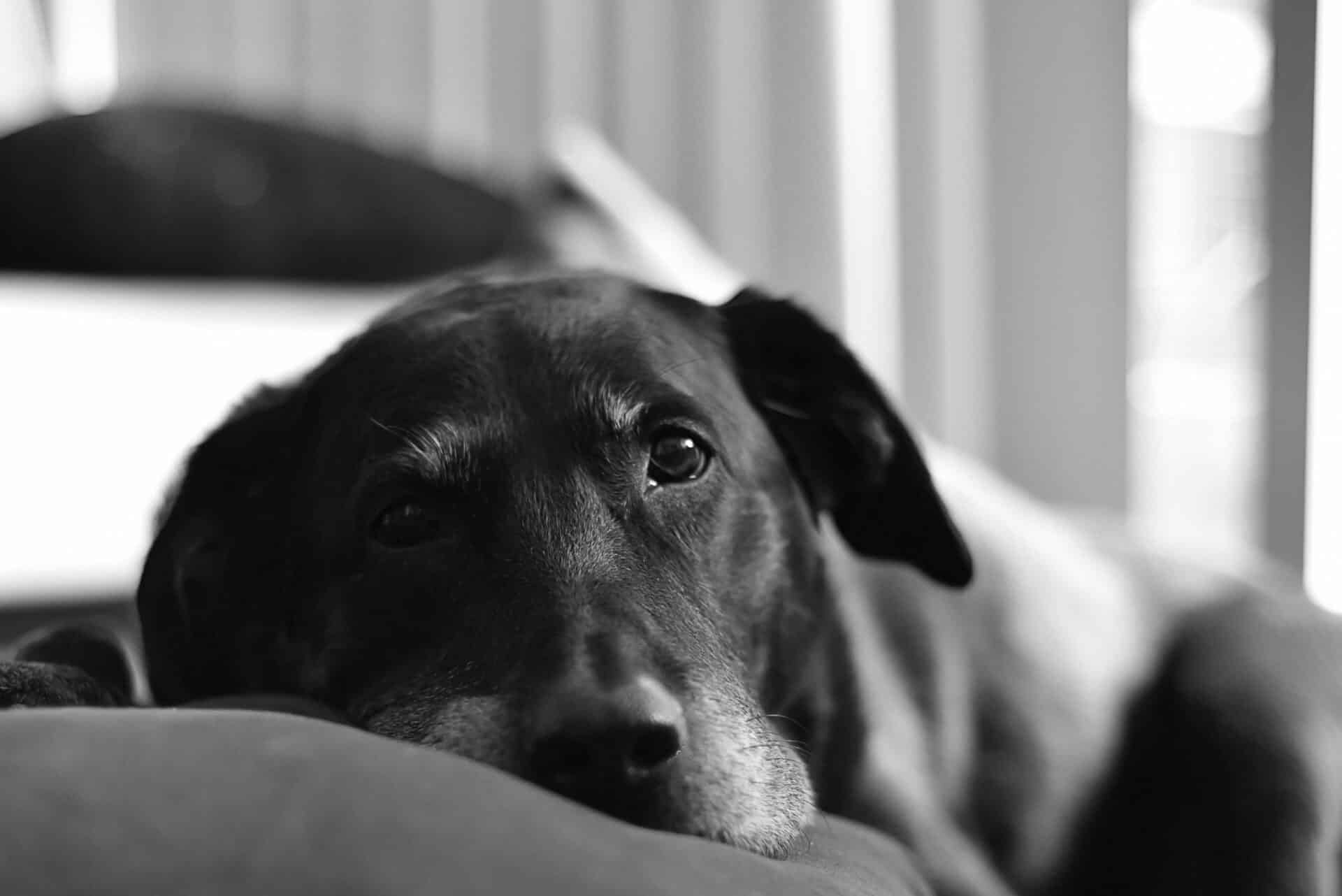
Many pet owners assume their dog is simply getting older. While aging can bring natural changes, slowing down is not always something your dog has to live with. Pain, stiffness, or reduced mobility may be affecting your dog’s ability to enjoy life, and veterinary rehabilitation can often make a meaningful difference.
At Balanced Paws Veterinary Rehabilitation and Acupuncture, our veterinary team helps dogs improve mobility, manage pain, and return to the activities they enjoy through personalized rehabilitation and pain management plans.
When Summer Activity Brings Hidden Pain to Light
Dogs are remarkably good at hiding discomfort. In many cases, subtle mobility issues go unnoticed during the colder months when activity levels are lower. Once summer arrives and your dog starts hiking, swimming, running, or taking longer walks, underlying problems often become much more noticeable.
You may find that your dog tires more quickly than expected or seems reluctant to keep going during a favorite adventure. These changes can be early signs that your dog would benefit from a rehabilitation evaluation.
Some of the most common conditions that may affect your dog’s mobility include:
- Arthritis
- Hip dysplasia
- Cruciate ligament injuries
- Muscle and tendon strains
- Back or neck pain
- Recovery after orthopedic surgery
- Neurologic conditions that affect strength or coordination
Recognizing these signs early allows your dog to receive treatment before mobility becomes more limited.
8 Signs Your Dog May Benefit From Rehabilitation
Every dog is different, and mobility changes can develop gradually. If you notice any of the following signs, it may be time to speak with our veterinary team about veterinary rehabilitation.
1. Your Dog Tires Out More Quickly
If your dog is ready to head home halfway through a walk or needs frequent breaks during outdoor activities, pain or muscle weakness may be making exercise more difficult.
2. Stiffness After Exercise
Does your dog seem sore after playing at the park or going on a long walk? Stiffness after activity or after resting can be an early sign of arthritis or other orthopedic conditions.
3. Limping That Comes and Goes
An occasional limp should never be ignored. Even if it improves after a day or two, intermittent limping often points to an underlying issue that deserves attention.
4. Difficulty Standing Up
Dogs with joint pain or muscle weakness may struggle to rise after sleeping or resting. Some pets also shift their weight or hesitate before standing.
5. Hesitation to Jump or Climb
If your dog no longer wants to jump into the car, climb stairs, or hop onto the couch, they may be avoiding movements that cause discomfort.
6. Falling Behind on Walks
Dogs that once led the way may begin walking more slowly or stopping more often. Reduced endurance can signal pain, decreased strength, or limited joint function.
7. Changes in Posture or Movement
You may notice your dog walking differently, standing unevenly, or carrying their head or tail in an unusual position. Small changes in gait can provide important clues about mobility problems.
8. Less Interest in Play
When dogs stop chasing balls, wrestling with other dogs, or greeting family members with excitement, pain may be limiting their willingness to participate.
Which Dogs Are Good Candidates for Rehabilitation?
Many people associate canine rehabilitation with recovery after surgery, but rehabilitation can benefit dogs in many stages of life.
Your dog may be a good candidate if they are:
- A senior dog experiencing age-related stiffness
- An active or sporting dog looking to improve strength and reduce injury risk
- Recovering from orthopedic surgery
- Healing after an injury
- Living with a neurologic condition
- Overweight and needing safe, low-impact exercise
- Managing chronic joint pain or arthritis
Whether your goal is helping your dog recover, stay active longer, or simply move more comfortably, rehabilitation plans are customized to meet each pet’s individual needs.
How Veterinary Rehabilitation Helps Dogs Stay Active
Veterinary rehabilitation focuses on improving strength, flexibility, balance, and comfort while reducing pain. Every treatment plan begins with a thorough evaluation to identify your dog’s unique challenges and goals.
Depending on your dog’s condition, treatment may include therapeutic exercises that strengthen muscles and improve coordination. These exercises are carefully selected and adjusted as your dog progresses.
Laser therapy may be recommended to help reduce inflammation, ease pain, and support the body’s natural healing process. For many dogs, veterinary acupuncture can also provide effective pain relief while improving mobility and overall comfort.
Our veterinary team may also recommend manual therapies, balance exercises, and home activities that allow you to continue supporting your dog’s progress between appointments.
One of the greatest benefits of veterinary rehabilitation is that care is personalized. Balanced Paws works closely with your primary veterinarian to ensure every aspect of your dog’s treatment supports their overall health and long-term well-being.
Why Early Treatment Matters
Mobility problems rarely improve by waiting. In fact, dogs often compensate for pain by shifting weight to other limbs or changing how they move. Over time, these compensations can place additional stress on muscles and joints, leading to new problems.
Starting rehabilitation early can help:
- Reduce pain and inflammation
- Improve strength and flexibility
- Restore confidence during movement
- Slow the progression of certain orthopedic conditions
- Support recovery after injury or surgery
- Help your dog stay active for years to come
The sooner mobility concerns are addressed, the greater the opportunity to keep your dog comfortable and enjoying the activities they love.
Keep Summer Fun on Your Dog’s Schedule
Your dog deserves to enjoy every walk, hike, game of fetch, and family adventure without unnecessary pain getting in the way. If you’ve noticed your dog slowing down, limping, or showing signs of stiffness, don’t assume it’s simply part of getting older. Many mobility issues can be successfully managed with the right care.
At Balanced Paws Veterinary Rehabilitation and Acupuncture, our veterinary team is dedicated to helping dogs live healthier, more active lives through personalized rehabilitation, acupuncture, laser therapy, and pain management. We proudly serve dogs and their families in Duluth, MN, and the surrounding communities.
If you think your dog could benefit from rehabilitation, schedule an evaluation today by calling (218) 481-7373. Together, we can help your dog get back to enjoying every summer adventure.
Image credit: Envato
Search Blog
Recent Posts
Can Your Dog Keep Up This September? Mobility Tips for Duluth’s Favorite Walking Trails
Summer Adventures Shouldn’t Hurt: When Dog Rehabilitation Can Help Your Pet Stay Active