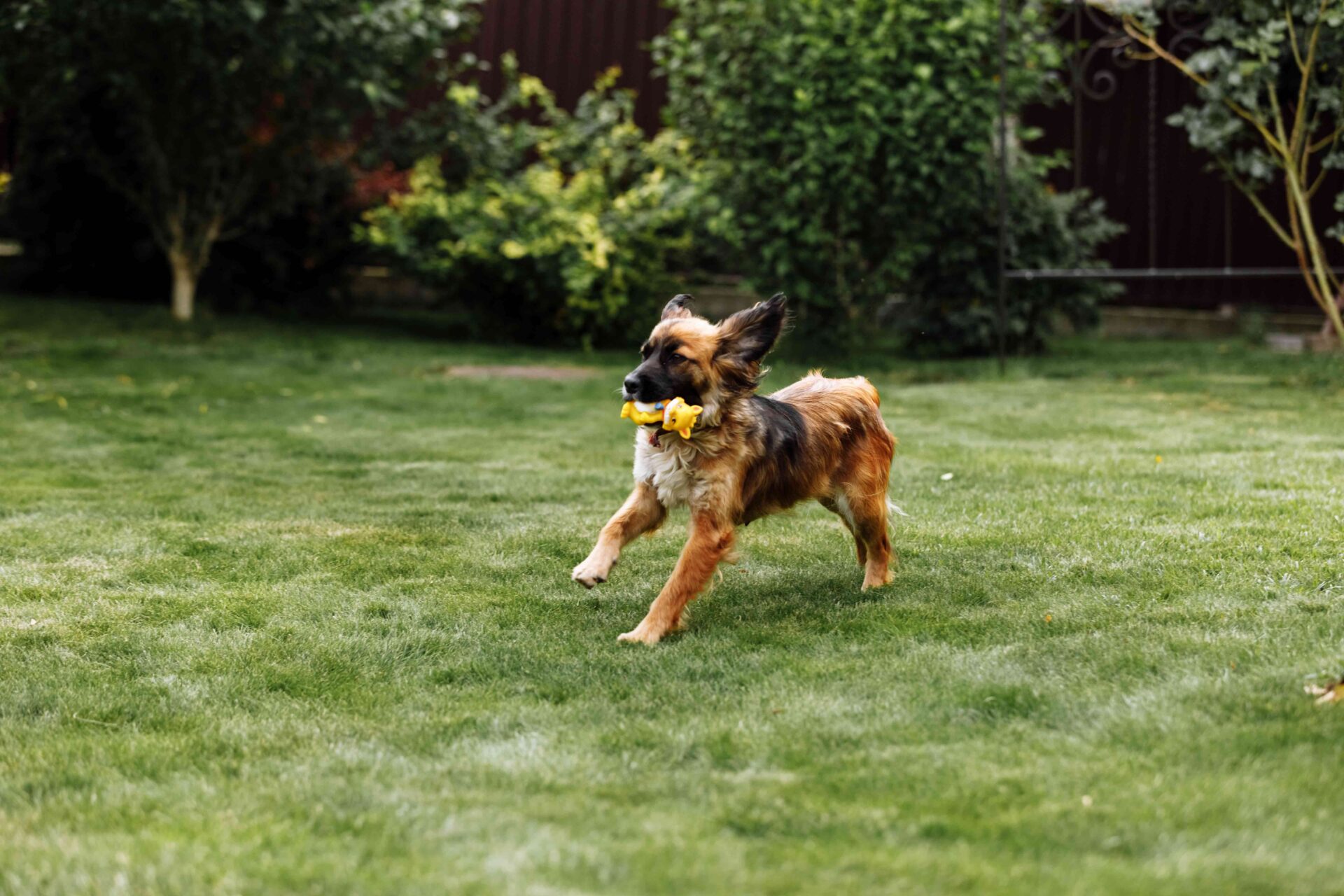
Can Your Dog Keep Up This September? Mobility Tips for Duluth’s Favorite Walking Trails
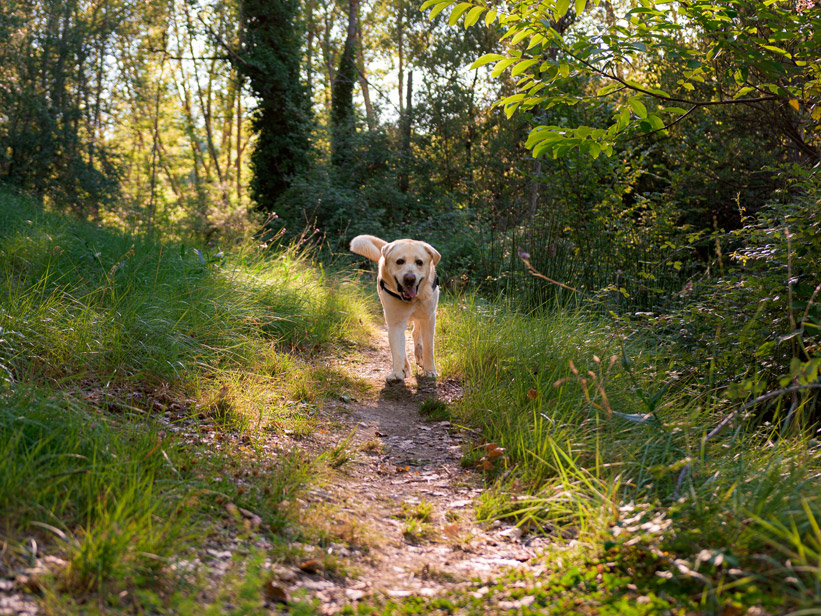
September is the perfect time to get outside with your dog and enjoy everything Duluth has to offer. From a peaceful stroll along the Lakewalk to exploring the wooded trails at Hartley Nature Center or taking in the views at Enger Park, these outings create lasting memories for you and your four-legged companion.
If you’ve noticed your dog slowing down, stopping more often, or seeming sore after a hike, don’t assume it’s simply part of getting older. Changes in mobility can happen gradually, and catching them early can help your dog stay active and comfortable for years to come.
Here are some practical tips to help your dog enjoy every adventure this August.
Tip #1: Choose Trails That Match Your Dog’s Fitness Level
Not every dog is ready for a long hike with steep hills and uneven terrain.
Puppies, senior dogs, and pets with arthritis or previous injuries often do better on shorter, flatter trails. If your dog is returning to activity after surgery or an injury, gradually increase the distance instead of tackling a challenging hike right away.
Pay attention to how your dog finishes the walk. A happy, energetic dog is ready for the next adventure. A dog that struggles to get into the car afterward may have done too much.
Tip #2: Beat the Heat
Even though fall is around the corner, September temperatures can still make outdoor activities challenging.
Walk during the early morning or evening when temperatures are cooler. Bring fresh water for both you and your dog, and take breaks in shaded areas whenever possible.
If your dog begins panting heavily, slows down, or looks for places to lie down, it’s time to head home.
Tip #3: Warm Up Before You Hit the Trail
A quick warm-up isn’t just for people.
Spend five to ten minutes walking at an easy pace before tackling hills or longer trails. This helps increase blood flow to the muscles and prepares the joints for exercise.
At the end of your walk, cool down with another slow walk instead of heading straight into the car.
Tip #4: Watch for Early Signs of Mobility Problems
Dogs often hide pain, so small changes can be easy to miss.
Keep an eye out for:
- Slowing down during walks
- Lagging behind
- Limping after exercise
- Stiffness after resting
- Difficulty climbing stairs
- Hesitating before jumping into the car
- Reluctance to run or play
These signs shouldn’t be ignored, especially if they continue for several days or become more frequent.
Tip #5: Build Strength Between Walks
Daily walks are great exercise, but they aren’t the only way to support healthy joints.
Simple strengthening and balance exercises can improve muscle support, stability, and coordination. Strong muscles help reduce stress on the joints, making hikes and neighborhood walks more comfortable.
If your dog already has arthritis, an orthopedic condition, or reduced mobility, our veterinarian can recommend therapeutic exercises that are appropriate for their age and condition.
Tip #6: Keep Your Dog at a Healthy Weight
Extra weight places additional stress on the hips, knees, elbows, and spine.
Maintaining a healthy body condition is one of the most effective ways to improve dog mobility and reduce the risk of joint pain. If you’re unsure whether your dog is at an ideal weight, our veterinary team can help you develop a nutrition and activity plan that supports long-term joint health.
Tip #7: Don’t Wait to Address Stiffness or Limping
Many pet owners wait until their dog is clearly struggling before seeking help.
The truth is that early intervention often leads to better outcomes. If your dog seems stiff after walks, tires more quickly than they used to, or has difficulty getting up after resting, it’s worth scheduling a mobility evaluation.
Treating mobility concerns early may help slow progression, improve comfort, and keep your dog enjoying the activities they love.
Tip #8: Know How Veterinary Rehabilitation Can Help
If your dog is showing signs of discomfort, veterinary rehabilitation can often make a meaningful difference.
At Balanced Paws Veterinary Rehabilitation and Acupuncture, our veterinarian partners with your primary care veterinarian to create a personalized rehabilitation plan based on your dog’s unique needs and lifestyle.
Depending on your dog’s condition, treatment may include:
- Canine rehabilitation to improve strength, flexibility, and endurance after surgery, injury, or illness.
- Acupuncture to relieve pain, reduce muscle tension, and support the body’s natural healing process.
- Therapeutic laser therapy to decrease inflammation and encourage tissue healing.
- Therapeutic exercises that improve balance, coordination, and joint stability.
- Senior pet mobility programs that help aging dogs stay active and independent longer.
- Home exercise plans that allow you to continue supporting your dog’s progress between visits.
Whether your goal is getting back on the trails, helping your dog recover from surgery, or making everyday activities more comfortable, our veterinary team develops a treatment plan that fits your dog’s needs.
Keep Your Dog Ready for the Next Adventure
Duluth’s walking trails are meant to be enjoyed together. By choosing appropriate hikes, watching for early signs of discomfort, and taking steps to protect your dog’s joints, you can help keep every outing safe and enjoyable.
If your dog isn’t keeping up the way they used to, our team at Balanced Paws Veterinary Rehabilitation and Acupuncture is here to help. Our veterinary team provides canine rehabilitation, acupuncture, laser therapy, therapeutic exercises, and personalized pain management to help dogs move more comfortably and confidently.
Learn more about our services or call us at (218) 481-7373 to schedule a mobility evaluation. With the right care, your dog can continue making the most of every August adventure and many more to come.
Image credit: Envato
Search Blog
Recent Posts
Is Your Senior Dog Ready for Fall? Mobility Tips for September Adventures
Can Your Dog Keep Up This September? Mobility Tips for Duluth’s Favorite Walking Trails