Winter Mobility Challenges: How Veterinary Rehabilitation Helps Senior Pets Stay Active
Does your senior dog hesitate before stepping outside on a cold morning? Maybe your older cat no longer jumps onto their favorite windowsill, or your dog takes a little longer to get comfortable after a walk. These small changes can be easy to overlook, but they may be signs that your pet is experiencing joint stiffness or mobility challenges.
Winter in Duluth, MN, brings freezing temperatures, icy sidewalks, and snowy yards that can make movement especially difficult for aging pets. Fortunately, veterinary rehabilitation offers ways to manage discomfort, maintain strength, and help senior pets continue enjoying their favorite activities.
At Balanced Paws Veterinary Rehabilitation and Acupuncture, our veterinary team helps older pets move more comfortably through therapeutic exercises, acupuncture, laser therapy, and individualized pain management.
Why Winter Can Be Harder on Senior Pets
As pets age, their joints and muscles naturally change. Conditions such as osteoarthritis can make everyday activities more difficult, and winter weather may make existing mobility problems more noticeable.
Cold Weather and Joint Stiffness
Cold temperatures can make pets with arthritis seem stiffer, especially after long periods of rest. While cold weather does not directly cause arthritis, reduced activity during winter can contribute to muscle weakness and decreased flexibility.
Snow and ice create other challenges. Slippery surfaces can make it harder for senior dogs to maintain their balance, while deep snow may put extra strain on already sensitive joints.
Signs Your Senior Pet May Be Struggling
Your pet cannot tell you when their joints hurt, but their behavior often provides clues. Watch for:
- Difficulty standing after sleeping or resting
- Hesitation when climbing stairs or jumping
- Limping, stiffness, or slower movements
- Shorter walks or less interest in playing
- Changes in grooming habits, especially in older cats
- Irritability or sensitivity when touched
These changes deserve attention. What appears to be normal aging could actually be discomfort that responds to treatment.
How Veterinary Rehabilitation Helps Senior Pets Stay Active
Veterinary rehabilitation in Duluth, MN, can help senior pets maintain mobility, manage pain, and improve their quality of life.
Rather than focusing solely on symptoms, rehabilitation addresses physical challenges such as muscle weakness, limited joint movement, and poor balance.
At Balanced Paws, our veterinary team works alongside your pet’s primary veterinarian to develop a rehabilitation plan based on their individual needs.
Therapeutic Exercises for Strength and Mobility
Gentle, controlled exercises are an important part of senior dog rehabilitation. These activities help maintain muscle strength, improve flexibility, and support joint stability.
Our veterinary team may recommend guided movements, balance exercises, or low-impact activities suited to your pet’s abilities.
The goal is not to push your pet beyond their limits. It is to help them move safely and confidently while maintaining the strength needed for everyday activities.
Pet Acupuncture for Arthritis and Pain Management
If your senior pet struggles with chronic discomfort, acupuncture may be a helpful addition to their treatment plan.
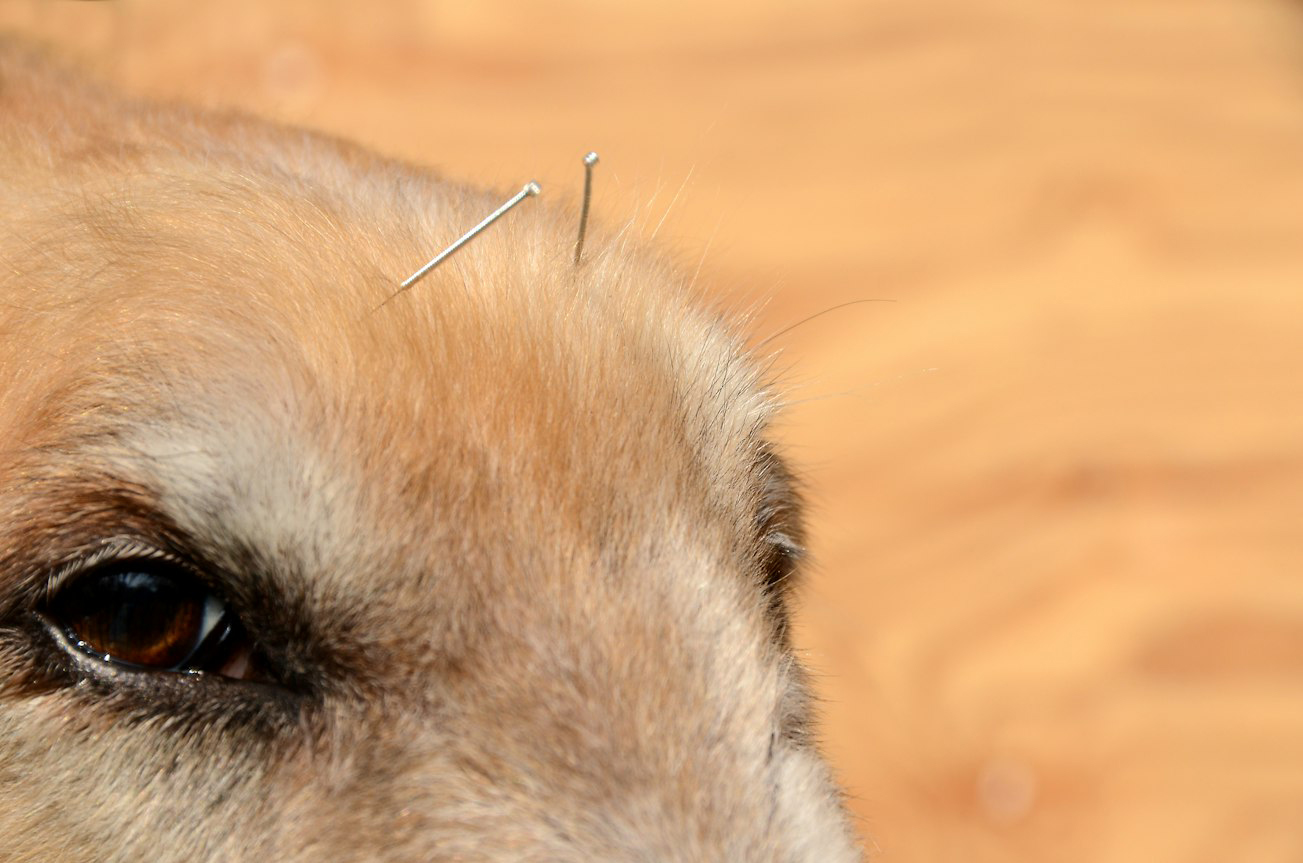
Veterinary acupuncture involves placing thin needles at specific points on the body to stimulate nerves and support the body’s pain-regulating processes.
For some pets, pet acupuncture in Duluth, MN, may help reduce arthritis-related discomfort and improve their willingness to move.
Acupuncture is generally well tolerated, although results vary between pets. Our veterinarian can help determine whether it is appropriate for your companion.
Laser Therapy for Senior Pets
Laser therapy is another treatment option that may help senior pets experiencing joint or muscle discomfort.
This noninvasive treatment uses specific wavelengths of light to interact with tissues and may help reduce pain and inflammation in certain conditions.
For pets receiving dog arthritis treatment in Duluth, laser therapy may complement therapeutic exercises, acupuncture, and other treatments recommended by their veterinarian.
Simple Ways to Support Your Senior Pet’s Mobility at Home This Winter
Professional rehabilitation is valuable, but small adjustments at home can also make a meaningful difference.
Create a Safer, More Comfortable Home
Slippery floors and difficult-to-reach resting spots can become frustrating for aging pets.
Consider these simple improvements:
- Place nonslip rugs along frequently used pathways.
- Provide supportive bedding in a warm, draft-free location.
- Use ramps to help pets access furniture or vehicles.
- Keep food, water, and resting areas easily accessible.
- Clear snow and ice from outdoor walking areas.
These changes can help reduce unnecessary strain and make everyday movement easier.
Encourage Gentle Daily Movement
Regular activity helps senior pets maintain muscle strength and joint flexibility. During Duluth’s colder months, shorter walks may be more comfortable than one long outing.
Indoor activities, gentle play, and veterinarian-approved exercises can also help keep pets moving.
Avoid forcing activity when your pet appears uncomfortable. Consistency and comfort matter more than exercise intensity.
Protect Your Pet From Winter Conditions
Icy sidewalks and freezing temperatures can be particularly challenging for dogs with arthritis.
Choose cleared walking paths, consider traction-supporting footwear if your dog tolerates it, and limit outdoor time during extreme cold.
After walks, gently clean and dry your pet’s paws to remove ice, salt, and other irritants.
When Should You Consider Veterinary Rehabilitation for Your Senior Pet?
You do not have to wait until your pet has significant difficulty walking before exploring rehabilitation.
If your senior dog struggles to rise, avoids stairs, or seems uncomfortable after exercise, it may be time for a mobility assessment.
Senior cats can benefit from attention, too. Reluctance to jump, reduced grooming, or difficulty entering the litter box may indicate joint discomfort.
Our veterinarian can evaluate your pet’s mobility and discuss appropriate treatment options. Sudden weakness, inability to stand, or severe pain requires prompt veterinary attention.
Helping Duluth’s Senior Pets Enjoy Their Golden Years
Your senior pet still deserves comfortable walks, playful moments, and peaceful afternoons in their favorite resting spot. Although aging brings physical changes, the right support can help many pets remain active and enjoy life.
At Balanced Paws Veterinary Rehabilitation and Acupuncture, our veterinary team provides compassionate care through rehabilitation exercises, acupuncture, laser therapy, and pain management for senior pets.
If winter joint pain or mobility challenges are slowing your companion down, we’re here to help.
Contact Balanced Paws Veterinary Rehabilitation and Acupuncture in Duluth, MN at (218) 481-7373 to learn how veterinary rehabilitation can support your senior pet’s comfort, mobility, and quality of life.
Image credit: Envato
Search Blog
Recent Posts
Winter Mobility Challenges: How Veterinary Rehabilitation Helps Senior Pets Stay Active
Acupuncture and Laser Therapy for Pets: Supporting Comfort as Temperatures Drop